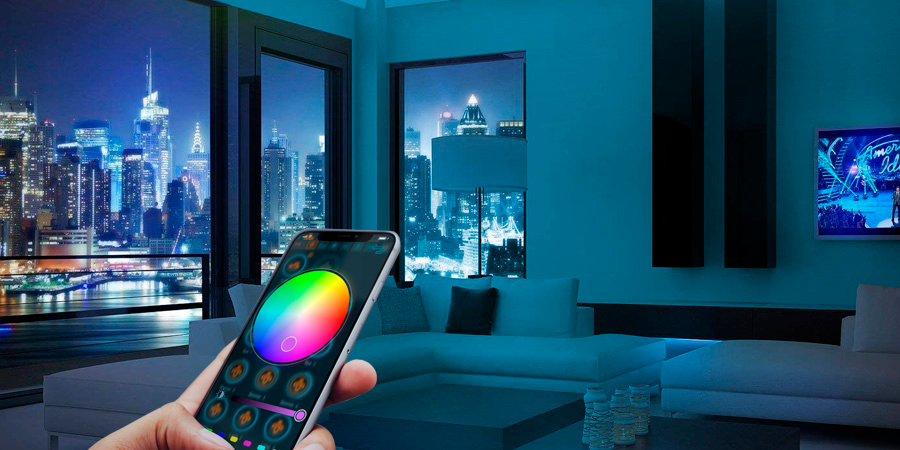
Welcome to DecoradTech Smart Home Ideas by DecoratorAdvice — your complete guide to building a smarter, safer, and more efficient home in 2026 and 2027. Homes are no longer just places to live — they are rapidly evolving into intelligent, automated living spaces. Thanks to Artificial Intelligence (AI), the Internet of Things (IoT), voice assistants, and advanced home automation, homes in 2026–2027 are becoming smarter, safer, more energy-efficient, and more convenient than ever before.
DecoradTech Smart Home refers to a modern home where innovative technology, stylish design, and AI work together to create a seamless living experience. Smart lighting, security cameras, smart locks, intelligent climate control systems, connected kitchen appliances, and voice assistants all contribute to making everyday life more comfortable, secure, and efficient.
What Is a Smart Home?
A smart home is a house where electronic devices, security systems, sensors, and household appliances are connected through the internet or Wi-Fi. These devices can be controlled remotely using a smartphone app, a voice assistant, or AI-powered automation from virtually anywhere in the world.
By 2026–2027, smart homes will go far beyond simple remote control. AI will be capable of learning your daily habits and making intelligent decisions automatically. For example, if you usually arrive home at the same time every evening, your smart home can turn on the air conditioner, switch on the lights, adjust the curtains, and activate or deactivate the security system before you even walk through the door.
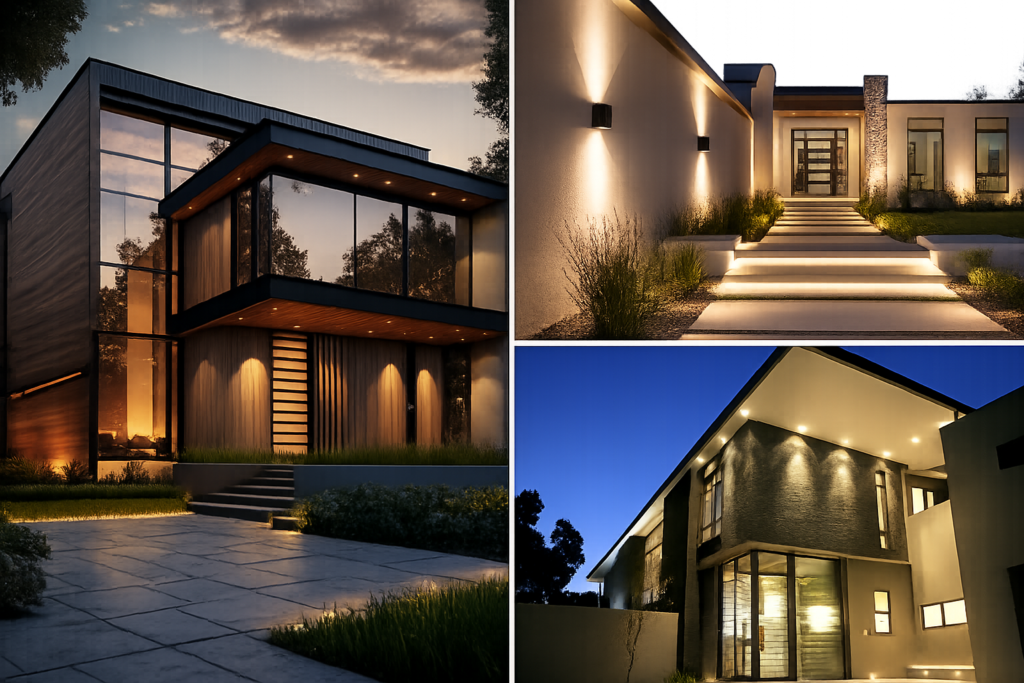
How Does a Smart Home Work?
In a smart home, all connected devices communicate through a shared network. Homeowners can manage their entire home using a mobile app or voice assistant, while AI and the Internet of Things (IoT) allow different devices to work together automatically.
By 2026–2027, technologies such as the Matter standard, AI, and smart sensors will enable products from different manufacturers to integrate more seamlessly — making smart homes more reliable, secure, and easier to manage.
In short, the goal of a smart home is to provide greater convenience, enhanced security, improved energy efficiency, and a more modern lifestyle.
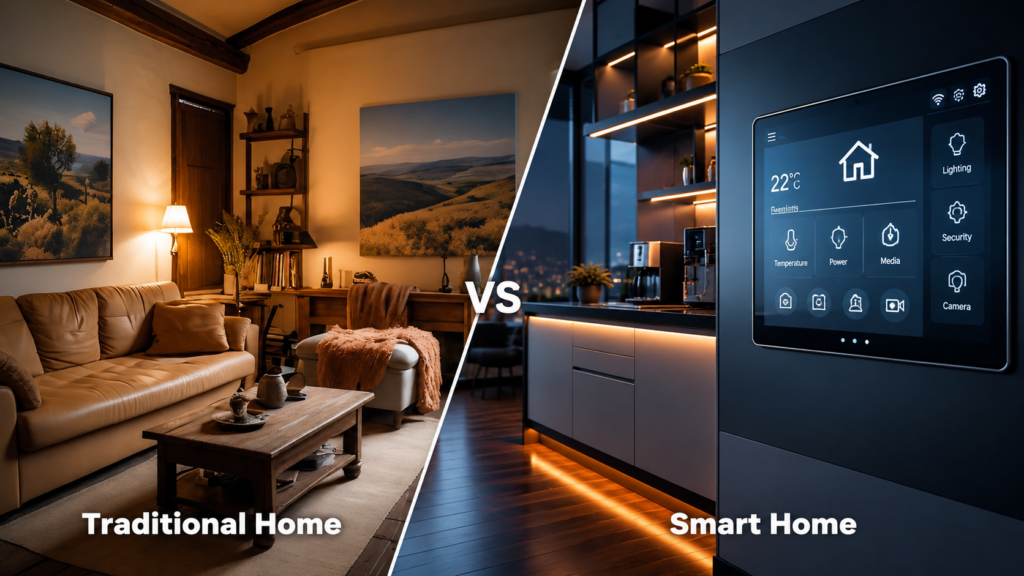
Traditional Home vs. AI Smart Home (2026–2027)
| Feature | Traditional Home | AI Smart Home (2026–2027) |
|---|---|---|
| Control | Devices are operated manually | Entire home controlled through a mobile app or voice commands |
| Lighting | Standard wall switches | AI-powered lighting with motion sensors and automated schedules |
| Security | Traditional locks and basic CCTV | AI security cameras, smart locks, facial recognition, and instant alerts |
| Energy Management | Higher energy consumption | AI optimizes energy usage to reduce electricity costs |
| Temperature Control | Manual thermostat adjustments | Smart thermostats automatically maintain ideal temperatures |
| Cleaning | Manual cleaning | Robot vacuums with automated cleaning schedules |
| Kitchen | Conventional appliances | Smart ovens, smart refrigerators, and AI-powered kitchen features |
| Automation | Little or no automation | Automated routines such as Good Morning, Good Night, and Away Mode |
| Future Readiness | Limited upgrade options | Easily expandable with AI, IoT, and Matter-compatible devices |
Smart Home Trends for 2026–2027
Smart home technology is advancing rapidly, and the following trends are expected to shape the industry in 2026–2027:
- AI-powered home automation
- Matter-compatible smart devices
- AI security cameras with facial recognition
- Smart energy management systems
- Robot vacuums and automated cleaning solutions
- Complete voice-controlled home management
- Smart solar energy systems and home battery storage
- Smart air quality monitors and water leak detection sensors
- Enhanced cybersecurity and secure cloud connectivity
If you’re planning to build a future-ready home, choosing smart devices that support AI, IoT, and Matter standards is a wise investment. Doing so will ensure that your home remains modern, secure, and compatible with emerging technologies for years to come.
How to Transform Your Traditional Home into a Future-Ready Smart Home
Until a few years ago, most homes relied on traditional lighting, standard door locks, basic switchboards, and conventional household appliances. Everyday tasks such as turning lights on or off, locking doors, adjusting the air conditioner, or monitoring home security had to be done manually. However, with the rapid advancement of smart technology, homes in 2026–2027 are becoming more intelligent, secure, energy-efficient, and highly automated.
If you want your home to remain modern, stylish, and future-ready for years to come, upgrading your furniture alone is no longer enough. Integrating smart technology into your living space is now an essential part of creating a comfortable and connected home.
What Did Traditional Homes Offer?
Traditional homes typically included:
- Standard LED bulbs controlled by manual wall switches
- Conventional key-operated door locks
- Basic CCTV systems, or in many cases, no security system at all
- Regular air conditioners and ceiling fans operated manually
- Curtains and blinds opened and closed by hand
- Traditional televisions with separate remote controls for different devices
- No effective system for monitoring or optimizing energy consumption
What Should a Future-Ready Home Include in 2026–2027?
To transform your home into a modern smart home, consider upgrading to the following technologies:
| Upgrade | Traditional Home | Smart Home Solution (2026–2027) | Key Benefit |
|---|---|---|---|
| Smart Lighting | Manual wall switches | AI-powered lighting with motion sensors and automated schedules | Greater convenience and lower energy consumption |
| Smart Door Locks | Traditional key locks | Fingerprint, PIN, and smartphone-controlled smart locks | Enhanced security and keyless access |
| Security Cameras | Basic CCTV systems | AI-powered security cameras with instant mobile alerts | 24/7 intelligent monitoring |
| Climate Control | Standard air conditioners | Smart thermostats with automatic temperature adjustment | Improved comfort and energy savings |
| Smart Curtains | Manually operated curtains | Motorized curtains with app control and scheduling | Convenience, privacy, and a modern appearance |
| Home Entertainment | Multiple remote controls | Voice-controlled smart TVs and home theater systems | Easier entertainment management |
| Smart Cleaning | Manual cleaning | Robot vacuums and smart mopping systems | Saves time and reduces household effort |
| Energy Management | Manual electricity monitoring | Smart energy monitors and smart plugs | Lower utility bills and efficient power usage |
| Solar Integration | Conventional electricity supply | Smart solar panels with home battery backup | Sustainable and cost-effective energy |
| Home Automation | No automation | AI-powered routines and voice assistants | A fully connected and automated living experience |
Top 10 Upgrades to Make Your Home Future-Ready
You don’t need to renovate your entire home at once. The best approach is to upgrade gradually, starting with the essentials.
- Install smart LED bulbs and motion-sensor lighting.
- Upgrade to a smart door lock and video doorbell.
- Add AI-powered indoor and outdoor security cameras.
- Install a smart thermostat or smart AC controller.
- Use a voice assistant to manage your smart devices.
- Replace traditional curtains with motorized smart blinds or curtains.
- Modernize your kitchen with smart ovens, refrigerators, or coffee makers.
- Use robot vacuums and smart cleaning devices to automate daily cleaning.
- Install smart plugs and energy monitoring systems to reduce electricity consumption.
- Choose smart devices that support AI, IoT, and Matter standards to ensure compatibility with future technologies.
Final Thoughts
In 2026–2027, the best home will not simply be the one with expensive furniture or luxurious interiors. Instead, it will be a home that is intelligent, secure, energy-efficient, and powered by modern smart technology.
By making the right upgrades today, you can create a home that not only looks contemporary but also remains compatible with the latest innovations for years to come. That’s the heart of DecoradTech Smart Home Ideas by DecoratorAdvice — a future-ready smart home is an investment in greater comfort, enhanced security, lower energy costs, and a better quality of life.