- DecoradTech Smart Home Ideas by DecoratorAdvice: The Complete 2026–2027 Guide to AI-Powered Smart Living — The DecoradTech guide offers innovative smart living solutions that enhance safety and efficiency in residential care environments. How To Set Up My Home Decoradtech For A Smarter, More Stylish Home — Exploring smart home decoradtech enhances safety while ensuring your space remains stylish and comfortable for everyday living. Smart Home Hacks & Decor Tech Guide (2026): Transform Your Space with Style & Efficiency — The Smart Home Hacks & Decor Tech Guide offers innovative solutions to enhance both safety and style in your home. Home Upgrade DecoradTech: The Complete Guide to Modernizing Your Home in 2026 — The guide on modernizing your home offers practical solutions to enhance functionality and safety in residential care spaces. Elevate Your Space: Modern Home Decor Tips — Reading about modern home decor can inspire you to create a stylish yet safe environment for residential care spaces. Monthly App Audits: Check your smart home hub dashboard to verify that all connected smoke and carbon monoxide sensors report strong battery levels and active Wi-Fi connectivity.
- Sensor Dusting: Keep smoke sensor vents free of dust and cobwebs using compressed air or a soft microfiber cloth every few months to prevent false triggers.
- Emergency Drill Syncs: Test smart alarm notifications during routine safety walkthroughs to ensure app alerts trigger promptly on all connected staff devices.
Integrating Smart Hardware into Residential Spaces
Interconnected Smart Smoke & CO Detectors:
Automated Emergency Pathway Lighting:
Smart Stove Shut-Off Sensors:
Bridging Tech Hardware with Protocol Readiness
Maintenance Routines for Long-Term Reliability
FAQs
My Personal Experience
Upgrading a residential living environment involves more than picking modern furniture or neutral paint palettes; functional safety is where modern design truly meets everyday utility.
In residential care settings and assisted living spaces, fire safety requires a balanced mix of reliable hardware, smart automation, and strict compliance protocols.
Traditional smoke alarms give off loud chirps, but smart fire detection systems go a step further. They integrate directly into home automation hubs, alert remote caregivers instantly, and reduce emergency response times when every second counts.
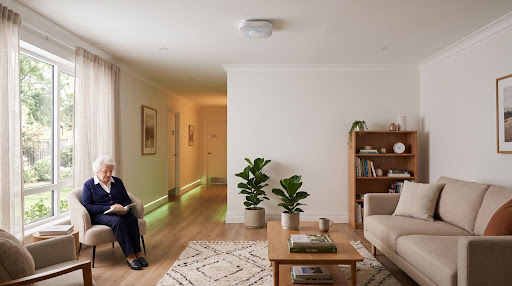
Creating a safe residential layout starts with selecting devices that blend seamlessly into the space while remaining fully functional. Modern smart fire safety gear offers subtle, low-profile designs that don't make a room feel like an institutional facility.
Key smart home safety additions include:
When one unit detects heat or smoke, every alarm in the house triggers simultaneously. Smart units can also send push notifications directly to smartphone apps or central monitoring systems.
Integrating smart ambient lighting allows hallway LED strips to illuminate green or bright white automatically when an alarm triggers, guiding residents through dark pathways during power outages.
Cooking areas present high fire risks. Installing smart motion-based shut-off valves or smart plug adapters ensures stoves automatically turn off if left unattended for too long.
Installing advanced sensors and smart relays covers only the hardware side of protection. In care facilities or supported living setups, human preparation and clear procedures are equally vital. Smart notifications only help if caregivers and support staff know exactly how to execute evacuation routines without hesitation.
When preparing residential spaces or care settings for safety compliance, understanding foundational protocols—like reviewing standardopwdd fire safety level one post test answers helps ensure that both automated sensors and human responders act correctly in an emergency. Integrating routine digital safety refreshers alongside regular sensor battery checks ensures that staff stay fully prepared for sudden emergencies.
Smart home safety devices are low-maintenance, but they aren't entirely set-and-forget. A simple routine keeps everything operating without false alarms:
Combining tasteful interior layouts with intuitive smart safety gear creates a home environment that feels comfortable, modern, and thoroughly protected.
Q1: Do smart smoke detectors work if the Wi-Fi connection goes down?
A: Yes. High-quality smart smoke detectors use standard local radio frequencies to trigger siren alarms in the house even if Wi-Fi drops. However, app notifications and remote alerts require an active internet connection to reach off-site caregivers.
Q2: How do smart safety devices prevent false alarms from cooking smoke?
A: Modern smart detectors use photoelectric sensors and dual-spectrum technology to distinguish between actual flaming fires and light steam or burnt toast, drastically reducing annoying false alarms in kitchen adjacent rooms.
Q3: Can smart home safety devices be integrated with existing alarm systems?
A: In most cases, yes. Many smart home hubs offer bridge modules or listener devices that listen for the specific frequency sound of traditional smoke alarms and instantly convert them into smart app notifications.
When I updated my own home safety setup last year, I made a big mistake. I bought fancy smart smoke alarms, but I didn't test them properly with my family. One night, a small kitchen smoke set off the system. The alarms started talking and flashing lights, which surprised everyone and caused confusion instead of a smooth exit.
That day I learned a valuable lesson: high-tech safety gear is only good if the people using it know what to do. Tech can give you an early warning, but clear practice and basic safety knowledge are what actually keep everyone safe.


