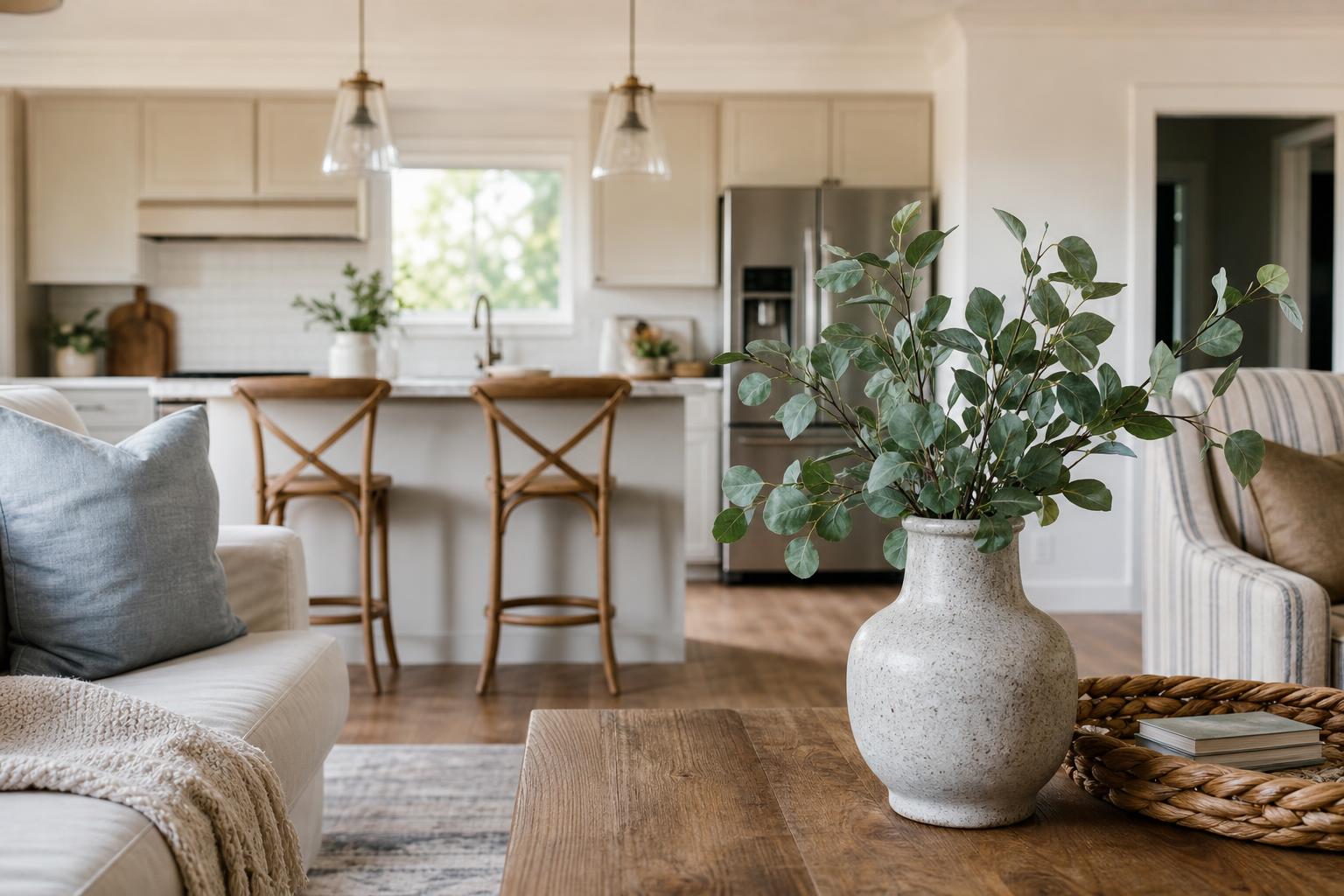
Most home-improvement content falls into one of two traps: it's either an expensive renovation fantasy, or it's the same five tips repeated in twelve different ways. Decoradhouse sits in neither camp. It's about small, realistic changes — better layout, better light, less clutter — that make a home easier to live in, not just nicer to photograph.
This guide pulls that philosophy into one clear, skimmable resource: decoration, renovation, garden, and room-by-room upgrades, without the repetition.
The Core Idea Behind Decoradhouse
A home doesn't need to be bigger, newer, or more expensive to feel better — it needs to work better. That means:
- Function before decoration. Fix what's frustrating before you style what's visible.
- Less, but placed well. A room with five well-placed pieces usually beats one with fifteen scattered ones.
- Comfort compounds. Small daily-use improvements (lighting, storage, flow) add up faster than one big statement change.
Everything below follows from those three ideas.
Decoration Tips That Actually Change a Room
Good decoration isn't about adding more — it's about editing. A room starts to feel "designed" once furniture has breathing room and every object earns its spot.
| Do This | Instead of This |
|---|---|
| Choose 3–5 intentional decor pieces per surface | Filling every shelf and table |
| Layer 2–3 light sources (lamp, overhead, accent) | Relying on one harsh overhead light |
| Mix textures — wood, fabric, rug, ceramic | Matching everything to one material |
| Leave walking paths clear | Furniture crammed against every wall |
| Pick a calm, limited color palette | Too many accent colors competing |
Quick win: before buying anything new, remove 20% of what's currently in the room. Most spaces improve more from subtraction than addition.
Renovation Tips: Fix Function First
The biggest renovation mistake is choosing rooms by excitement instead of need. A kitchen might look outdated, but if the real problem is a bad layout or bad lighting, new cabinets won't fix it — they'll just be nicer-looking versions of the same frustration.
| Renovation Priority | Why It Comes First | Common Mistake |
|---|---|---|
| 1. Layout & flow | Bad flow is felt every single day | Renovating around a bad layout instead of fixing it |
| 2. Lighting | Cheapest fix with the biggest daily impact | Treated as decoration instead of function |
| 3. Storage | Clutter returns fast if storage doesn't match how you actually live | Adding storage that doesn't match daily habits |
| 4. Finishes & surfaces | Purely visual — safest to change later | Doing this first, then redoing it after fixing #1–3 |
A renovation that fixes layout, light, and storage — even without touching finishes — usually feels like a bigger upgrade than an expensive cosmetic-only remodel.
Garden Tips: Treat It Like Another Room
An outdoor space that only gets attention twice a year isn't doing its job. Decoradhouse treats the garden as an extension of the house, not a separate project.
| Garden Priority | Simple Way to Do It |
|---|---|
| Seating | One shaded corner with real seating, not just a spare chair |
| Pathways | Keep walking routes clear and obvious, even in a small yard |
| Plant placement | Use plants to soften hard edges — fences, walls, corners |
| Daily usability | Ask: "Would I sit out here on a normal Tuesday?" If not, adjust it |
You don't need a landscaping budget to make a garden feel intentional — a cleared path and one good seating spot often do more than a full plant overhaul.
Room-by-Room Quick Reference
| Room | Highest-Impact Fix | Fast, Low-Cost Win | Don't Overspend On |
|---|---|---|---|
| Living Room | Furniture layout that opens up movement | Layered lighting (lamp + overhead) | A statement piece before basics are solved |
| Bedroom | Softer, dimmable lighting near the bed | Decluttering visible surfaces | Decorative pillows over better sleep lighting |
| Kitchen | Clear counters + smarter storage zones | Reorganizing cabinets by how you cook | Full cabinet replacement before fixing storage logic |
| Bathroom | Better lighting around the mirror | Swapping harsh bulbs for warmer ones | High-end fixtures in a room with poor layout |
| Entryway | Clutter-free landing zone near the door | A small bench or shoe storage tray | Elaborate decor before basic organization |
Upgrades Worth Doing (and Ones to Skip For Now)
| Worth It Early | Can Wait |
|---|---|
| Better lighting in dark rooms | Full room repaints |
| Decluttering high-traffic surfaces | New furniture sets |
| Fixing one bad storage zone | Statement art or decor pieces |
| Softer, warmer bulbs throughout | Landscaping overhauls |
The pattern: comfort and function upgrades come first, styling comes once the basics stop causing friction.
Common Mistakes to Avoid
- Decorating a room before fixing its layout
- Buying storage that doesn't match how the space is actually used
- Renovating finishes before solving lighting or flow problems
- Ignoring the garden until it becomes a bigger project than it needed to be
- Adding more decor to a room that's already visually busy
FAQ
Where should I start if my whole house feels disorganized? Start with one high-traffic room — usually the living room or entryway — and fix layout and storage before touching decor. Momentum matters more than doing everything at once.
Do I need a big budget to make a noticeable difference? No. Decluttering, rearranging furniture, and swapping lighting are some of the lowest-cost changes with the most visible impact.
How do I know if a room needs renovation or just decoration? If the frustration is about how the room functions — storage, flow, lighting — that's renovation. If the room works fine but feels flat or cluttered, that's decoration.
The Bottom Line
A better home isn't built from bigger purchases — it's built from better decisions made in the right order: fix function, then light, then storage, then style. Whether you're working on a single room or the whole house, that sequence is what separates a home that feels genuinely comfortable from one that just looks good in photos.