Latest News DecoratorAdvice.com: A Practical Home Filter
A new room photograph can make yesterday's decorating decisions feel strangely inadequate. Yet a fashionable colour or finish tells you little about whether it belongs in your home. For homeowners and renters searching for “latest news decoratoradvice.com,” the useful question is what deserves attention—and what can wait.
This article offers a framework for assessing decorating updates, rather than a verified roundup of the site's newest posts. Check publication dates and original sources before treating any announcement as current. Then judge the idea against your room, budget, and routines.
What Makes a Small Update Become a Larger Project?
Cost rises when decoration involves preparation, fitted components, or changes to electrical and plumbing services. Moving furniture is a different commitment from moving sockets; repainting sound walls is different from repairing damp plaster.
| Planning factor | Practical starting point |
|---|---|
| Best for | Assessing ideas before refreshing an existing room |
| Budget range | Low for rearrangement; mid for furnishings; high for fitted work |
| Difficulty | Simple styling to professional installation |
| Time | An afternoon for trials; weeks or longer for ordered work |
| Maintenance | Dusting, cleaning, and finish-specific care |
Test the Idea Against Your Actual Room
Start with a problem, not a shopping list. Perhaps the seating blocks a walkway, afternoon glare makes reading difficult, or storage never quite contains everyday clutter.
- Measure first. Record room dimensions, door swings, furniture depths, and delivery access. Mark proposed furniture footprints with removable tape tested on an inconspicuous area.
- Set rental boundaries. Read your agreement and obtain written permission for alterations. Freestanding storage and portable lighting are generally easier to reverse than fitted pieces.
- Respect small-space circulation. Preserve comfortable routes between doors, seating, and storage. A compact sofa offers little benefit if an oversized coffee table blocks movement.
- Account for climate. Consider humidity, strong sunlight, and ventilation. Check material specifications: some fabrics fade, while some timber products respond poorly to moisture changes.
- Give the idea a spending ceiling. Include delivery, preparation, installation, disposal, and any required approvals—not just the advertised item price.
Choose How Much Help You Need
A self-directed refresh suits rearrangement, sample testing, and straightforward accessory changes. It costs less in fees but requires your time and careful measuring.
A paid design consultation can resolve layout or colour uncertainty without commissioning a full renovation. Confirm the deliverables before booking.
Full design and installation support makes more sense for coordinated fitted work. Fees are higher, but responsibilities and specifications can be clearer. Electrical, gas, and structural work need appropriately licensed or qualified professionals under local rules.
Avoid the Expensive Half-Refresh
Replacing one conspicuous item can expose several others: new curtains may make the wall colour look wrong, while a larger dining table may require different lighting placement.
Price the complete visible area before committing. Order samples and examine them beside existing finishes in daylight and evening light. Don't remove usable furnishings until replacements have confirmed dimensions and delivery arrangements.
Let Existing Materials Set the Direction
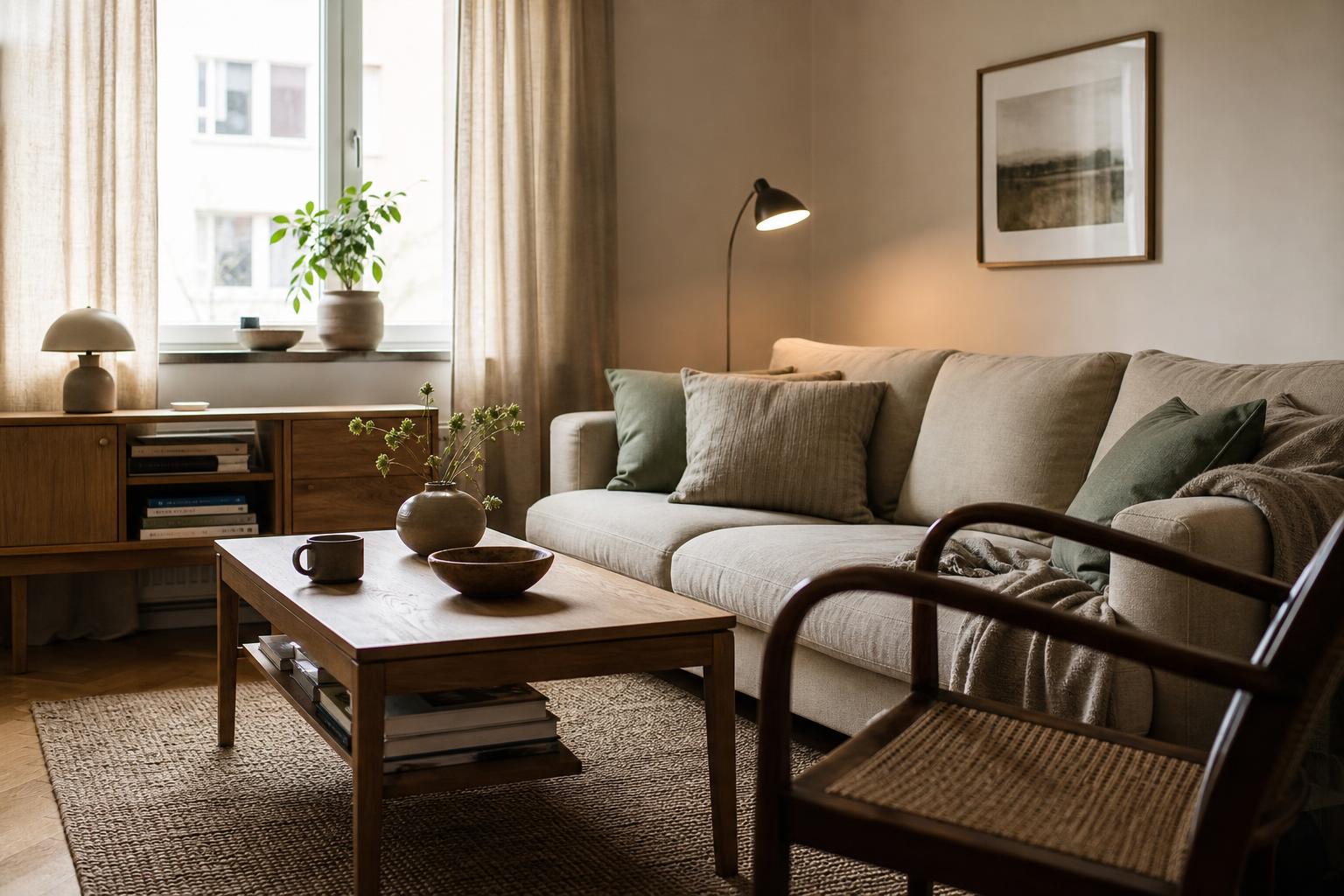
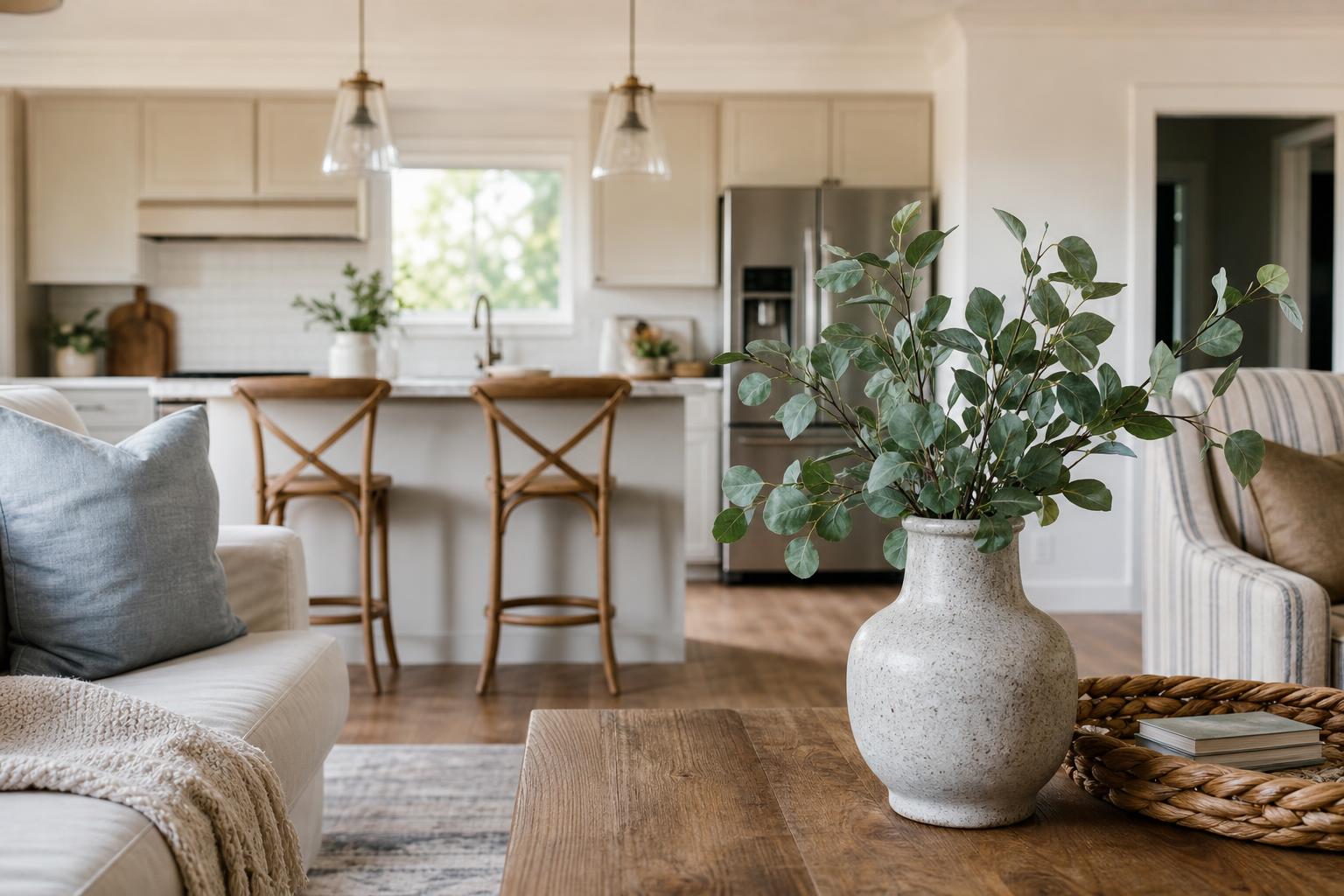
Warm timber often sits comfortably with muted greens, cream textiles, and restrained metal accents. Cool stone can work with warmer upholstery when a repeated colour connects them.
Clashes usually come from competing undertones, scales, or visual weight—not simply mixing old and new. Keep one dominant finish and repeat supporting colours deliberately.
When Waiting Is the Better Decision
A cosmetic update is a poor fit when leaks, damp, unsafe wiring, or inadequate ventilation remain unresolved. Address the cause before covering the surface.
Avoid drilling without checking for concealed services. Suspected hazardous materials require professional assessment before disturbance. Rental restrictions and building rules may also limit otherwise appealing changes.
Budget for Ownership, Not Just Purchase
Low-budget work usually means rearranging, repairing, and changing limited accessories. Mid-budget projects may include paint, curtains, or one substantial furniture purchase. High-budget schemes involve bespoke joinery, multiple trades, or altered services; these are relative categories, not local quotations.
For longevity, favour replaceable components, available care instructions, and finishes you can maintain. Washable covers help only if their washing requirements suit your routine. Keep finish names and spare hardware for future repairs.
Questions Before Acting on Decorating News
How do I know an update is genuinely new?
Check its publication date, revision notes, and linked original announcement.
Should I follow every colour trend?
No. Test colours against your fixed finishes and lighting first.
What should renters prioritise?
Portable improvements, written permissions, and manageable reinstatement costs.
Can a small room take dark paint?
Yes, but test a large sample throughout the day.
Is DIY always cheaper?
Not when mistakes require repairs or specialist correction.
Should I buy everything together?
Plan together; purchase in stages where practical.
Are expensive materials easier to maintain?
Not necessarily. Read the care requirements before choosing.
What is worth keeping?
Sound, comfortable pieces that fit the layout and remain repairable.
Make One Useful Change First
Use decorating news to solve a real problem, not create an unnecessary project. Try the DecorAdTechadvice redesign tool to explore a direction before committing to purchases.