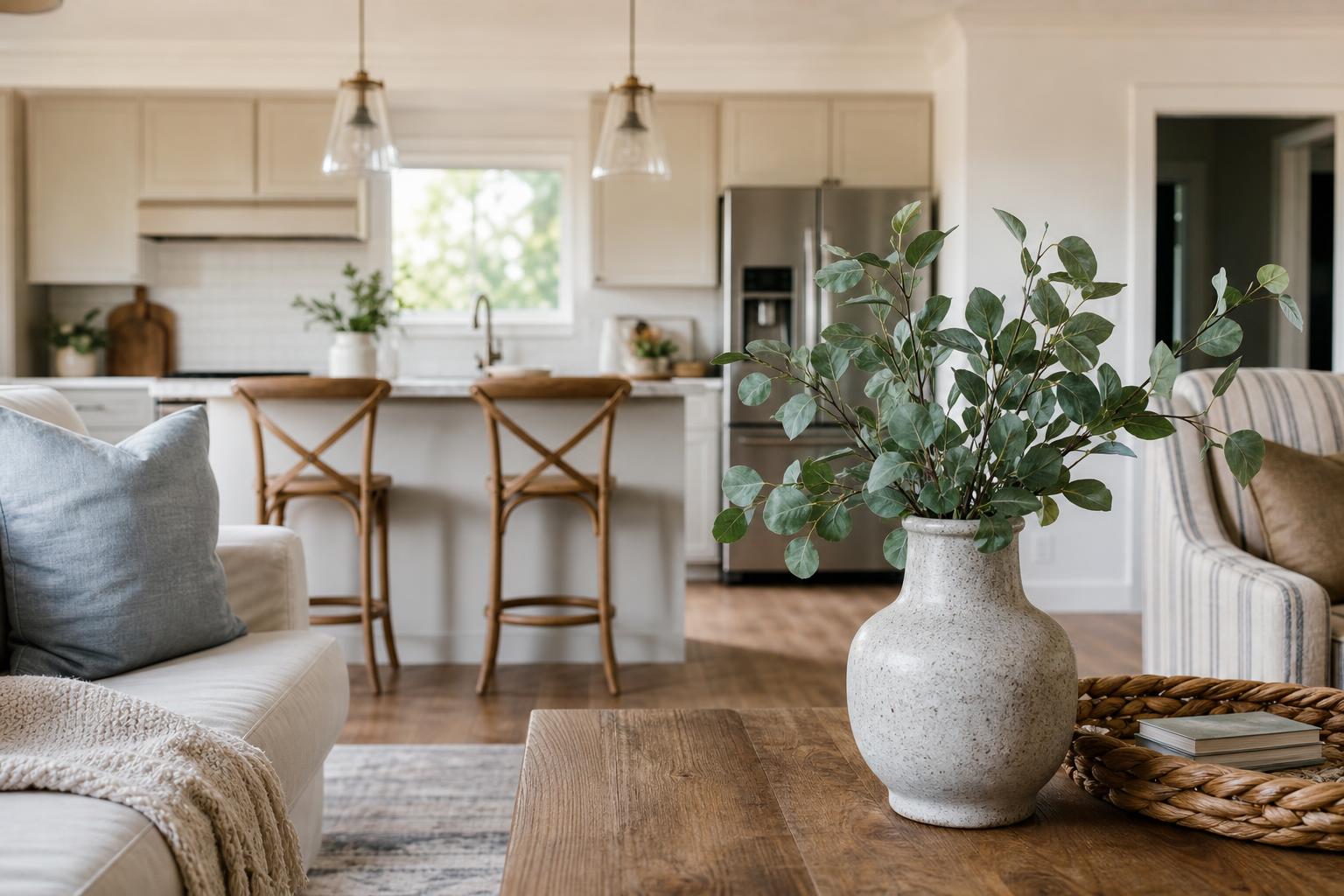
Smart Home Ideas on a Budget: Decor, Cleaning Schedules & Organisation Tips That Actually Work
You don't need a renovation budget or a design degree to make your home feel better. Most homes people fall in love with online were built on small, repeatable choices — a fresh coat of paint, a decluttered shelf, a five-minute daily tidy — rather than one expensive weekend project.
This guide brings together three things that are usually treated separately but work best as a system: budget home decor ideas that don't sacrifice style, a DIY home cleaning schedule you can actually stick to, and affordable organisation ideas that make the first two easier to maintain. Whether you're furnishing your first flat, refreshing a rental, or just tired of a home that never quite feels "finished," you'll find practical, low-cost steps below — including two quick-reference tables worth saving.
Budget Home Decor Ideas That Make a Big Difference
A handful of cost-effective decorating changes can do more for a room than an entirely new furniture set. Here's where to start.
1. Let paint do the heavy lifting. A single accent wall, a painted door, or refreshed cabinet fronts can transform a room for the price of one tin of paint. Sage, terracotta, and deep navy are popular low-commitment options because they read as intentional rather than trend-chasing.
2. Rearrange before you buy anything. The cheapest decorating tool you own is the furniture you already have. Floating a sofa away from the wall, angling a bed toward natural light, or swapping which room a piece lives in costs nothing and often fixes a "boring room" problem better than new decor would.
3. Bring in greenery. Houseplants add colour, texture, and life for very little money. Low-maintenance varieties like pothos or snake plants forgive an occasional missed watering.
4. Layer your lighting. Swap a single overhead bulb for a mix of table lamps, floor lamps, and warm-toned bulbs. Layered lighting is one of the most cost-effective decorating changes available, because it changes a room's entire feel without touching the walls or furniture.
5. Use mirrors to borrow space and light. A well-placed mirror bounces natural light around a room and visually adds depth — especially useful in small rooms, dark hallways, or windowless corners.
6. Thrift instead of buying new. Secondhand shops, marketplace apps, and even kerbside finds are full of solid, well-made furniture that just needs a little attention — a coat of paint, new handles, or a reupholstered seat.
7. Refresh with textiles. Cushions, throws, rugs, and curtains are some of the most affordable decorating tools around, and they're easy to rotate with the seasons without committing to anything permanent.
8. Try peel-and-stick upgrades. Adhesive vinyl tiles and window films are a renter-friendly way to update a kitchen backsplash, cabinet doors, or glass panels — most come off cleanly when you move out.
These are frugal home improvement projects by design: small, reversible, and quick to finish. Here's how they compare on cost and time, so you can pick a cheap home makeover tip that fits your next free afternoon:
Table 1: Budget Decor Projects at a Glance
| Project | Estimated Cost | Time Needed | Skill Level |
|---|---|---|---|
| Accent wall (one wall, standard paint) | £25–£40 | 1 afternoon | Beginner |
| Peel-and-stick backsplash tiles | £10–£20 | 2–3 hours | Beginner |
| Upcycled furniture (chalk/spray paint) | £5–£15 | 1 day, incl. drying | Beginner |
| Wallpapered ceiling feature | £15–£30 | 1 afternoon | Intermediate |
| Window or cabinet privacy film | £10–£20 | 1–2 hours | Beginner |
| New cabinet hardware | £10–£25 | 1–2 hours | Beginner |
| Layered lighting refresh | £20–£50 | 1 afternoon | Beginner |
| Stencilled drawer fronts | £6–£15 | Half a day | Intermediate |
Prices are approximate and will vary by retailer, region, and room size — treat them as a planning guide, not a quote.
A DIY Home Cleaning Schedule You'll Actually Keep
The difference between a home that always feels clean and one that never does usually isn't effort — it's rhythm. A simple DIY home cleaning schedule spreads tasks out so nothing builds up into a weekend-ruining chore. Splitting everything into four frequencies makes it manageable, and none of it requires expensive products — these are low-cost cleaning projects you can fold into a normal week.
Table 2: DIY Home Cleaning Schedule
| Frequency | Key Tasks | Approx. Time |
|---|---|---|
| Daily | Make the bed, wipe kitchen counters, wash or stack dishes, quick sweep of high-traffic floors | 10–15 minutes |
| Weekly | Vacuum and mop floors, clean the bathroom, dust surfaces, change bed sheets, take out recycling | 1–2 hours |
| Monthly | Wipe skirting boards and light switches, clean inside the microwave and fridge, vacuum sofas and mattresses, descale the kettle | 2–3 hours |
| Seasonal | Clean the oven, wash curtains and blinds, clean behind and under appliances, deep-clean carpets, declutter one full room | Half a day |
Once this becomes routine, the "big" cleaning tasks stop feeling big — because nothing is ever allowed to pile up in the first place.
Why a Clean Home Is Worth the Effort
Fewer allergens, better health. Dust, pet dander, and bacteria build up fastest in neglected spaces, especially kitchens and bathrooms. Sticking to the schedule above keeps these under control without needing intensive weekend cleans.
Lower stress, clearer head. A cluttered, dusty space tends to keep low-level stress simmering in the background. Coming home to a tidy room lets your mind actually switch off.
Longer-lasting furniture and appliances. Grime and buildup wear things down faster than everyday use does. Regular cleaning protects the lifespan of carpets, upholstery, and appliances you've already paid for.
A home you're proud of — guests or not. A clean home isn't about performing for visitors. It's about walking in the door and feeling settled, not stressed, in your own space.
Decluttering Benefits and Affordable Organisation Ideas
Organisation and cleanliness work together, but they're not the same thing — a tidy-looking home can still be full of clutter. The benefits of a clutter-free home go well beyond how it looks:
- Saves real time — no more hunting for keys, chargers, or paperwork.
- Sharpens focus — a clear desk or workspace cuts down on visual distraction, especially useful for anyone working or studying from home.
- Makes cleaning faster — fewer things sitting on surfaces means less to move, dust, and vacuum around.
- Reduces decision fatigue — knowing where everything lives frees up mental energy for things that actually matter.
- Saves money — when you can see what you already own, you stop rebuying things that were already in a drawer somewhere.
A few affordable organisation ideas and simple storage solutions worth trying:
- Fabric or cardboard storage boxes for shelves and wardrobes
- Clear stackable bins for pantries and under-sink storage
- Drawer dividers or trays for utensils, makeup, or office supplies
- Over-door organisers for shoes, cleaning supplies, or accessories
- Repurposed containers — jars, shoeboxes, old baskets — labelled and reused
Frequently Asked Questions
What's the cheapest way to make a room look completely different? Paint. A single accent wall or a coat of paint on tired furniture changes a room's mood more than almost anything else you can buy, usually for under £40. Pair it with rearranged furniture (free) and a couple of new cushions for a room that feels genuinely refreshed.
How do I build a cleaning routine I'll actually stick to? Start smaller than you think you need to. Pick two or three daily habits — bed, counters, a quick floor sweep — and one weekly session for bathrooms and floors. Once that feels automatic, layer in the monthly and seasonal tasks from the schedule above. A routine that's slightly too easy is more sustainable than one that's technically "thorough" but gets abandoned after two weeks.
Where do I even start when decluttering feels overwhelming? Pick one drawer, shelf, or category — not a whole room — and set a 20-minute timer. Sort into keep, donate, and bin as you go, using a simple rule: if you haven't used it in a year and it has no sentimental value, it's probably safe to let go of. Small, contained sessions build momentum faster than one exhausting weekend.
What are some genuinely cheap organisation products? Fabric or cardboard storage boxes, clear stackable bins, drawer dividers, and over-door organisers are all inexpensive and widely available from budget retailers and supermarkets. Repurposed containers work just as well once labelled, especially for pantries, bathroom cabinets, and craft supplies.
How often should I deep-clean things like ovens or sofas? Most deep-clean tasks only need attention every three to six months — ovens, behind large appliances, curtains, and professional-grade carpet cleaning included. Sofas and mattresses benefit from a monthly vacuum in between. If you're already following a weekly and monthly routine, seasonal deep cleans stay manageable instead of turning into a dreaded weekend project.
Can renters do any of this? Yes — most of these ideas are renter-friendly by design. Peel-and-stick tiles, removable wallpaper, reusable adhesive hooks, and freestanding furniture upcycles can all be removed or reversed at move-out. Always check your tenancy agreement first, and stick to non-permanent changes like textiles, lighting, and art if your lease is strict.
Is it worth hiring a professional cleaner occasionally? If your schedule makes consistency hard, an occasional professional clean can reset the space and make it easier to maintain with the DIY schedule above. It's not necessary, but it's a reasonable option if budget allows and time doesn't.
The Bottom Line
A better-looking, better-organised, cleaner home doesn't come from one big renovation — it comes from a handful of small systems: a few budget decor ideas you actually finish, a cleaning schedule that doesn't rely on willpower, and a place for everything you own. Start with one section of this guide — maybe the cleaning schedule, maybe the accent wall — and build from there. The homes that feel best to live in usually aren't the most expensive ones. They're the ones with a little intention behind them.